
7 Interior Painting Tips for a Better Home
Interior painting in Brandon, FL, can refresh your home, improve everyday comfort, and protect walls from normal family wear. The best results come from choosing suitable colours and finishes, preparing surfaces properly, using quality materials, and applying paint carefully. A professional painter can make the process faster, cleaner, and more durable.

Why does interior painting matter for your home?
Interior paint affects more than appearance. Wall colour changes how large, bright, warm, or restful a room feels. A properly applied coating also creates a washable surface and helps protect drywall, trim, doors, and other interior features from everyday marks.
For homeowners in Brandon and the wider Tampa Bay area, painting can be a practical improvement before selling, after moving into a new property, or when a room no longer suits your lifestyle. Fresh paint can also help unify open-plan areas and make older spaces feel cared for without a full renovation.
A successful project should provide:
- A consistent colour and smooth finish
- Better protection against scuffs and routine cleaning
- Careful treatment of cracks, holes, and damaged surfaces
- Clean lines around ceilings, trim, windows, and doors
- A more comfortable and cohesive atmosphere
If your walls need repairs before painting, ALG Painting & Services LLC’s drywall services can help prepare the surface properly.
7 practical interior painting tips
1. How do you choose the right wall colour?
Start with the room’s natural light, flooring, furniture, and adjoining spaces. A colour that looks attractive on a small sample may appear different across a large wall or at different times of day.
Test two or three sample colours on separate sections of the wall. Observe them in morning, afternoon, and evening light before making a final decision. Soft whites, warm neutrals, pale greens, and muted blues are often versatile choices, but the best option is the one that supports how you use the room.
For a connected home, select a simple colour relationship rather than choosing every room independently. Similar undertones help hallways and living areas flow together, while a deeper shade can add interest to a bedroom, office, or feature wall.
2. What preparation does interior painting require?
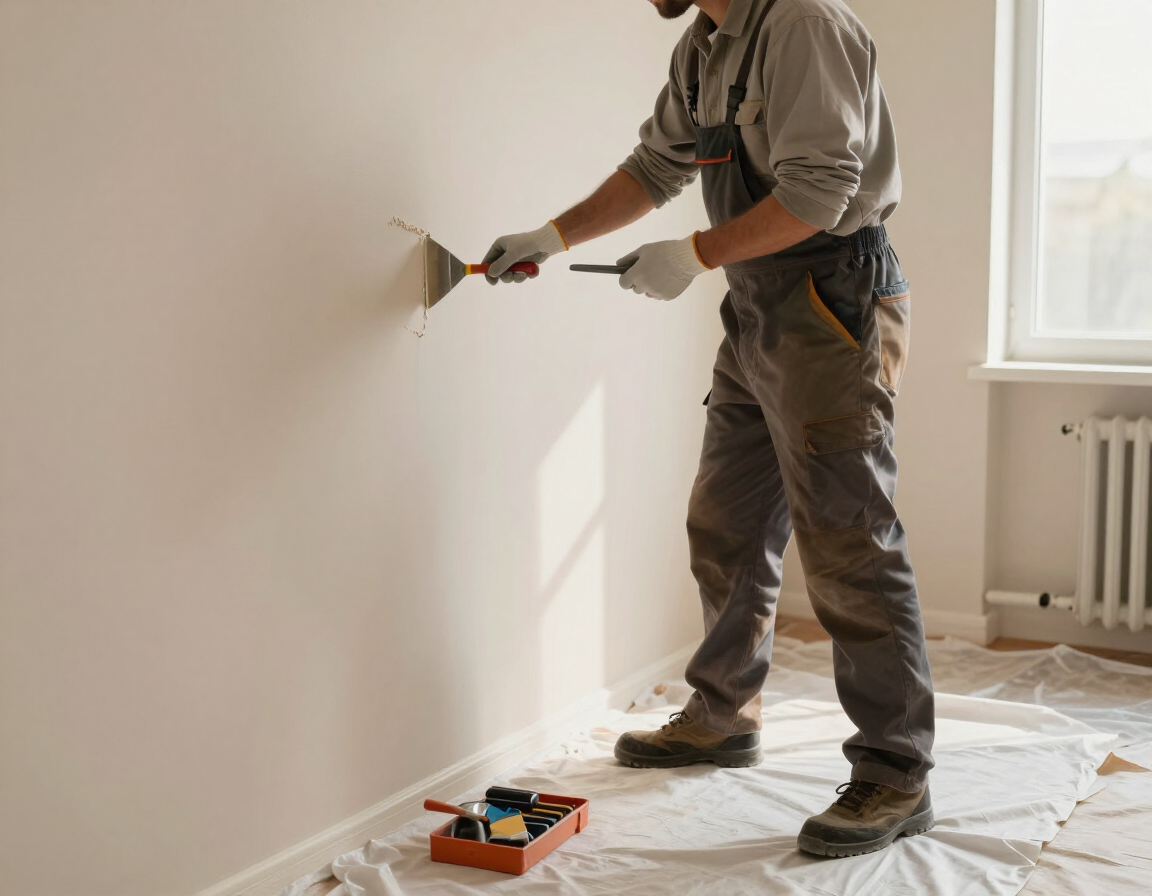
Preparation is one of the clearest differences between a rushed paint job and a professional result. Before painting, the surface should be inspected, cleaned, repaired, and allowed to dry.
Typical preparation includes:
- Removing or protecting furniture, fittings, and floor coverings.
- Cleaning grease, dust, fingerprints, and other residue.
- Filling nail holes, dents, seams, and small cracks.
- Sanding rough patches so they blend into the surrounding wall.
- Priming stains, repairs, glossy surfaces, or areas with uneven porosity.
- Masking edges and protecting floors before application begins.
Skipping these steps can leave visible bumps, flashing, peeling, or uneven colour. Good preparation may take time, but it improves both the appearance and service life of the finished coating.
3. Which paint finish is best for each room?
Paint sheen affects both appearance and cleanability. The ideal finish depends on the room, the condition of the walls, and how much use the surface receives.
- Matt or flat: Helps disguise minor imperfections and suits low-traffic areas.
- Eggshell: Offers a gentle glow and is a popular option for living rooms and bedrooms.
- Satin: Easier to clean and useful for busy family areas, hallways, and children’s rooms.
- Semi-gloss: Durable and moisture-resistant for trim, doors, bathrooms, and utility spaces.
- Gloss: Highly reflective and best used selectively on features that need emphasis.
A higher sheen is not automatically better. It can highlight dents, ridges, and uneven repairs, so surface preparation remains important.
4. How many coats of interior paint do you need?
Most interior projects need two finish coats for even coverage and dependable colour. One coat may be enough when repainting a similar, well-prepared colour, but it can produce thin coverage when the new shade is much lighter, darker, or more saturated than the existing one.
Primer may also be necessary for bare drywall, repaired areas, water marks, strong colours, or surfaces with inconsistent absorption. Your painter should assess the existing wall rather than promise that every room needs exactly the same system.
Allowing the recommended drying time between coats is equally important. Rushing recoat times can affect adhesion, sheen, and the final appearance.
5. When should you hire a professional interior painter?
Professional help is worthwhile when the project involves several rooms, tall ceilings, extensive repairs, difficult edges, occupied spaces, or a tight deadline. It is also useful when you want consistent results across walls, ceilings, doors, trim, and built-in features.
An experienced team can help with colour planning, material selection, preparation, application, and clean-up. They also bring the tools and processes needed to work efficiently while protecting your property.
ALG Painting & Services LLC is a family-owned painting and property services company based in Brandon. The team provides professional interior painting for homes and businesses throughout Hillsborough, Pinellas, and surrounding Tampa Bay communities.
6. How can you keep painted walls looking fresh?
Use a soft, damp cloth and a mild cleaning solution for normal marks. Avoid abrasive pads and aggressive chemicals, which may burnish or remove the paint film. Address spills and fingerprints promptly, particularly near doors, light switches, dining areas, and children’s spaces.
Keep leftover paint labelled with the room, colour, finish, and date. Small touch-ups are easier when you have the original product. If a mark cannot be cleaned or a repair is visible after touching up, repainting the entire wall may provide a more consistent result.
7. What should you ask before an interior painting project?
A clear conversation before work begins helps prevent surprises. Ask about:
- The preparation included in the estimate
- The paint brand, product line, sheen, and number of coats
- Protection for floors, furniture, fixtures, and adjoining surfaces
- How repairs, changes, and additional work will be handled
- The expected schedule, clean-up process, and payment terms
A written estimate should explain the project clearly. ALG Painting & Services LLC offers free estimates, making it easier to compare options and plan your next improvement.
A cleaner process from colour choice to final touch-up
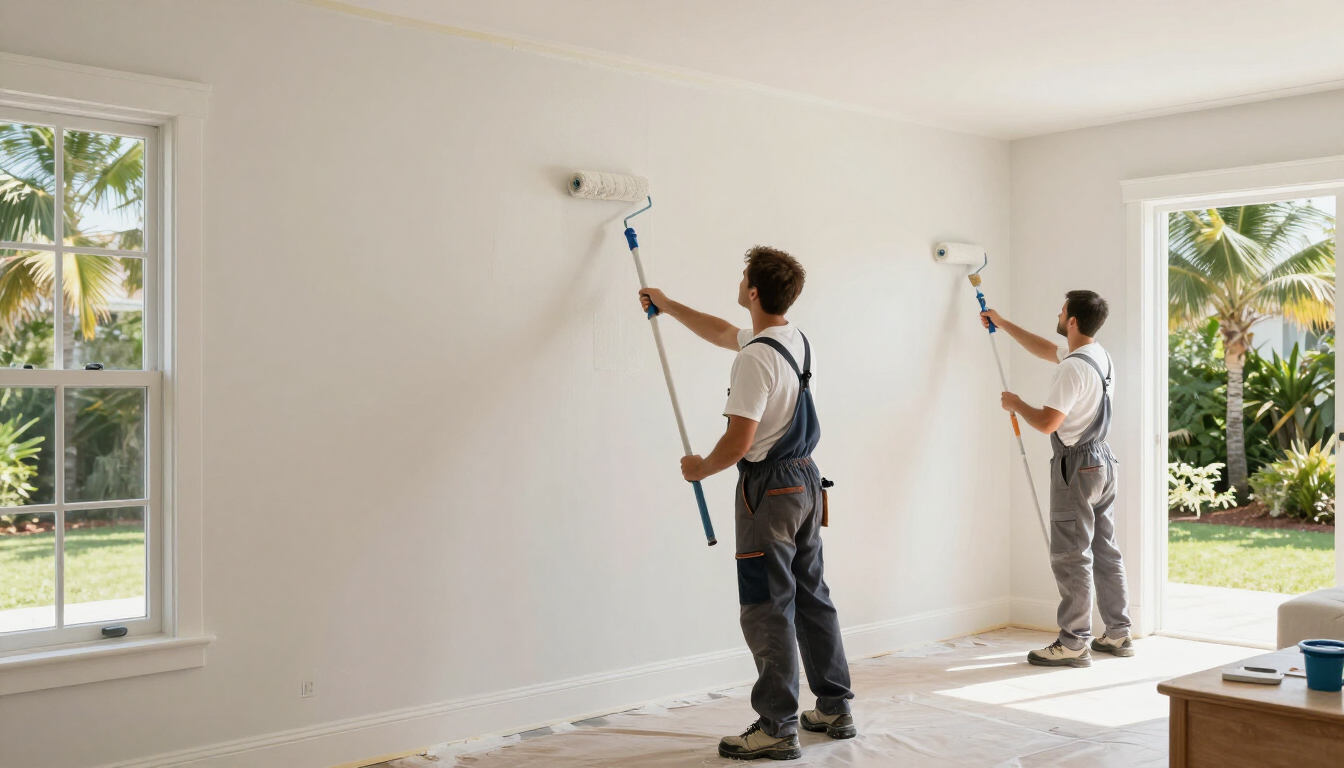
A well-managed interior painting project usually follows a straightforward sequence:
- Consultation: Discuss rooms, colours, finishes, repairs, access, and timing.
- Estimate: Confirm the scope, materials, preparation, and expected cost.
- Preparation: Protect the home, clean surfaces, repair defects, and prime where needed.
- Application: Paint ceilings, walls, trim, doors, or other agreed surfaces with suitable tools.
- Inspection: Review coverage, edges, touch-ups, and clean-up before completion.
This process keeps decisions visible and gives you opportunities to raise questions before the work is finished. It also helps ensure that the final result is more than a quick colour change.
Interior painting FAQs
How long does interior painting take?
The schedule depends on the number of rooms, wall condition, repairs, furniture, drying time, and chosen finish. A single room may take a day or more, while a whole-home project requires a tailored plan.
Is it better to paint walls or cabinets first?
The order depends on the project scope and the condition of each surface. When cabinetry is included, careful masking and sequencing are essential. Explore cabinetry painting if you want to update kitchen or built-in storage without replacing it.
Can interior paint cover drywall repairs?
Paint can cover properly prepared repairs, but it cannot hide deep damage, movement, or poorly blended patches. Repairs should be filled, sanded, cleaned, and primed before finish coats are applied.
What is the next step?
Review the rooms you want to change, collect colour ideas, and note any repairs or access concerns. Then request a free estimate from a qualified local painting contractor.
The key takeaway
Interior painting is most successful when colour, finish, preparation, and application are considered together. For Brandon, FL homeowners, professional help can deliver cleaner lines, more even coverage, better protection, and less disruption than managing a large project alone. Start by identifying the rooms and surfaces that need attention, test colours in your actual lighting, and ask for a detailed estimate that explains preparation and materials. When you are ready to compare options or schedule an assessment, contact ALG Painting & Services LLC for a free estimate.

